

Most listings stall because their photos fail to connect. You know that stunning visuals spark interest, but which real estate photography techniques actually bring faster, stronger offers? We’re showing you proven methods—from HDR shots to aerial drone real estate—that turn ordinary listings into magnetic showcases. Get ready to see before and after real estate photos that prove how professional real estate photography can increase buyer interest and change your property’s story.
High-Impact Real Estate Photography
Capturing the Perfect Shot
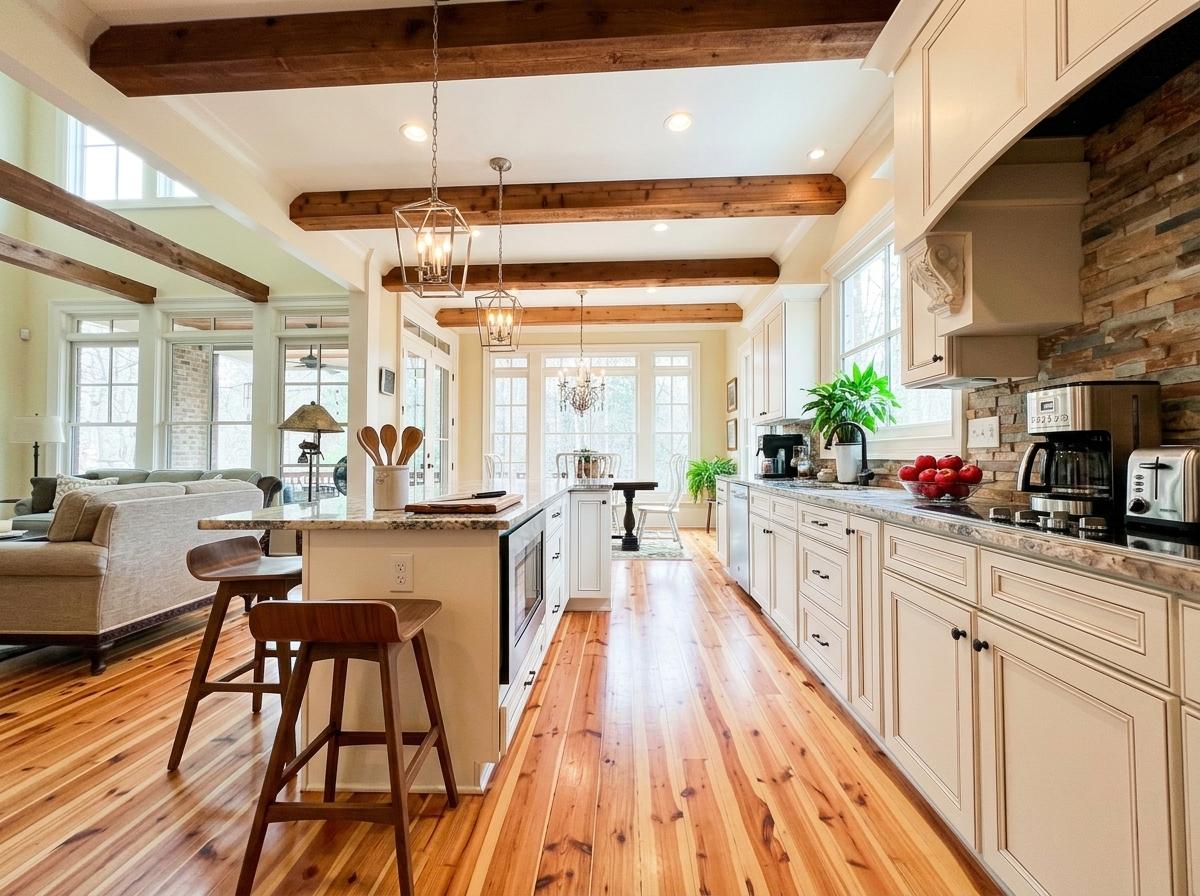
The secret to captivating property photos lies in the details. You must focus on highlighting the unique features of each room. Position yourself at angles that show off spaciousness and lighting. Remember, natural light is your best friend. Capture at the right time of day when sunlight spills through windows, creating a warm and inviting atmosphere. This approach draws potential buyers in, making them envision themselves living in that space.
Before and After Real Estate Photos
Witnessing the magic of transformation can be a game-changer. Before and after real estate photos serve as undeniable proof of the impact professional photography can have. Imagine a dimly lit, cluttered room turning into a bright, airy sanctuary. These visual comparisons highlight how much difference skilled photography makes. They appeal to buyers’ emotions, inviting them to see the property’s full potential, and encouraging them to act fast.
HDR Real Estate Photography Essentials
High Dynamic Range (HDR) photography blends multiple images to create one stunning shot. This technique captures a wide range of light and shadow, revealing details that regular cameras might miss. HDR photography is essential for showcasing well-lit interiors and breathtaking exteriors. It balances highlights and shadows, offering viewers a realistic and compelling view of the property. When done right, it can be the key to leaving a lasting impression.
Techniques to Increase Buyer Interest

Twilight Real Estate Photos
Twilight photos capture a property at its most enchanting moment. The soft glow of lights against the evening sky creates a sense of warmth and elegance. These are not just photos; they are glimpses into a lifestyle that buyers aspire to. Twilight images stand out in listings, offering a serene, dreamy quality that attracts attention and sparks curiosity. They help your property shine, making it memorable among countless others.
Real Estate Video Walk-Through Benefits
Video walk-throughs offer an immersive experience that static images can’t. They provide a virtual tour, allowing buyers to navigate through the property from anywhere in the world. This dynamic medium highlights the flow and scale of spaces, offering viewers a sense of presence. It’s an invaluable tool for engaging potential buyers, keeping them on your listing longer, and increasing the likelihood of a visit or offer.
The Power of Aerial Drone Real Estate
Aerial drone photography offers a bird’s-eye view of a property and its surroundings. It showcases the full scope of the lot, nearby amenities, and the property’s position within its neighborhood. These views provide context that ground-level photos can’t. They help potential buyers see the bigger picture, offering insights into the lifestyle and convenience the location offers. This perspective can be a powerful differentiator in a competitive market.
Enhancing Listings with Visual Tools

Virtual Staging Services Explained
Virtual staging transforms empty rooms into fully furnished spaces. It helps buyers visualize how rooms can function and feel. This service is cost-effective compared to physical staging and allows for customization to match a target buyer’s preferences. Virtual staging can highlight the potential of awkward spaces, making them appear inviting and practical. It’s a strategic tool to attract interest and offers, making your listing stand out online.
Day-to-Dusk Editing Magic
Day-to-dusk editing turns daylight shots into captivating evening scenes. This technique enhances the property’s allure by showcasing how it looks at different times of the day. The soft glow of interior lights against a dusky sky creates an inviting and romantic atmosphere. This editing magic can make listings more appealing, encouraging buyers to picture themselves coming home to such beauty.
Wide-Angle vs Tilt-Shift in Real Estate 📸
Choosing between wide-angle and tilt-shift lenses depends on the story you want to tell. Wide-angle lenses capture more of a room in one shot, making spaces appear larger and more inviting. They are ideal for small rooms. On the other hand, tilt-shift lenses correct perspective distortion, especially useful in architectural photography. They ensure that lines remain straight, offering a true representation of the space. Knowing when to use each lens can elevate your property photos from good to great.
Frequently Asked Questions
What is the benefit of professional real estate photography?
Professional real estate photography elevates the visual appeal of listings, making them stand out in a crowded market. It captures the property in its best light, showcasing features that attract buyers and increase interest.
How can HDR photography improve property listings?
HDR photography enhances images by balancing light and shadow, revealing details that would otherwise be lost. It provides a realistic and appealing view of the property, capturing potential buyers’ attention and encouraging them to explore further.
Why are twilight photos effective in real estate?
Twilight photos create an inviting ambiance by capturing properties at dusk with interior lights aglow. This magical time of day highlights the property’s charm, making it memorable and appealing to potential buyers.
See real results achieved by clients using Eddy James’ visual marketing expertise.



Leave a Reply